How the emergency contraception pill works
Quick, safe, and easy options to help you prevent pregnancy when life catches you off guard.
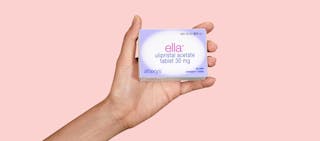


If you’ve had unprotected sex or your regular birth control didn’t work, you’re not alone—and you have options. Emergency contraception pills (often called the “morning-after pill”) are a safe and effective way to help prevent pregnancy when things don’t go according to plan. Millions of people use them every year for exactly that reason.
Emergency contraception works by temporarily delaying ovulation—so if an egg hasn’t been released yet, it won’t be. Timing really matters here: the sooner you take it, the better it works. That’s why having access to this kind of care quickly can make all the difference.
It’s important to know that emergency contraception pills are not designed for regular use as your primary form of birth control; it’s a backup. But it’s a good one to have, and in many places, you can get it over the counter (or even online) without needing a prescription.
Birth control from Nurx costs as little as $0 with insurance or $15 per month without insurance.
Types of emergency contraception pills
There are two main types of emergency contraception (EC) pills: levonorgestrel-based pills and ulipristal acetate pills. Both help prevent pregnancy after unprotected sexual intercourse, but they work in slightly different ways and have different time windows for effectiveness.
Levonorgestrel
Levonorgestrel pills are the most common form of emergency contraception. You may be familiar with levonorgestrel options like Plan B One-Step® or generic versions like Nurx Emergency Contraceptive. They’re available over the counter without a prescription and work best when taken within 72 hours of unprotected sex—ideally as soon as possible.
Levonorgestrel works by preventing or delaying ovulation, so there’s no egg available for sperm to fertilize. It won’t affect an existing pregnancy and won’t impact your long-term fertility.
You can pick up this type of emergency contraceptive at most pharmacies, or order online for discreet delivery.
Ulipristal acetate (Ella®)
Ulipristal acetate (brand name Ella®) is a prescription-only emergency contraceptive pill that can be more effective than levonorgestrel—especially if it’s been more than 72 hours since unprotected sex, or if you’re closer to ovulation. It can be taken up to five days after sex, with consistent effectiveness throughout that window.
Ella® works by delaying ovulation even when your body is already ramping up to release an egg. It’s not recommended if you’re currently using hormonal birth control, as that may reduce its effectiveness. If that’s the case, a levonorgestrel option might be better for you.
Combined oral contraceptives for emergencies
If you don’t have access to emergency contraceptive pills, some regular birth control pills can be used as a backup option through what’s known as the Yuzpe method. This involves taking a specific number of combined oral contraceptive pills (those that contain both estrogen and progestin) in a certain time frame.
This method isn’t as effective as dedicated emergency contraception like Nurx Emergency Contraceptive, Plan B One-Step®, or Ella®, and it’s more likely to cause nausea, but it can still help prevent pregnancy in urgent situations. If you’re thinking about using the Yuzpe method, talk to a healthcare provider first to make sure you’re using the right pill and dose for your situation.
How emergency contraception pills work
Emergency contraception (EC) pills help prevent pregnancy primarily by delaying ovulation—that’s the moment your ovary releases an egg. If there’s no egg, fertilization is unlikely to happen. These pills temporarily interrupt your normal hormone pattern to keep ovulation from happening until the risk of pregnancy has passed.
Why timing matters
When it comes to emergency contraception, acting quickly makes all the difference. ECs are most effective within the first 24 hours after unprotected sex. Levonorgestrel pills like Plan B One-Step® work best early—typically preventing pregnancies if taken within that first day of unprotected sex. Ella® is just as easy to take and stays more consistently effective for up to 5 days.
That said, every hour counts. The sooner you take it, the better it works.
What to expect in the days after
If it’s been 1 day since unprotected sex, you’re in the ideal window—this is when emergency contraception works most reliably. On days 2 and 3, levonorgestrel pills can still be effective. But by day 4 or 5, Ella® becomes the stronger option because it maintains higher effectiveness later in the window.
No matter when it happens, knowing you have options—and quick access to them—can offer real peace of mind. At Nurx, we make it simple to get emergency contraception delivered fast, with expert support when prescribed.
The role of ovulation delay
Emergency contraception won’t stop a pregnancy that’s already started—they work by stopping ovulation from happening in the first place. Normally, your body experiences a hormone surge that tells the ovary to release an egg. Emergency contraception disrupts that surge, pressing pause on your ovulation cycle for just long enough to prevent fertilization.
This hormonal shift can mean your next period may come a little earlier or later than usual. That’s completely normal—and not a cause for concern.
When should you use an emergency contraception pill?
Emergency contraception is there for the unexpected—those moments when your usual birth control plan didn’t go as intended or wasn’t used at all. You might need it if a condom breaks, you missed several birth control pills, or had unprotected sex.
These pills are designed to help prevent unintended pregnancy before it starts—and timing matters. The sooner you take it, the more effective it is.
That said, emergency contraception isn’t meant to be your go-to method every time. If you’re finding yourself needing it often, it might be a good time to talk to a medical professional about more dependable, long-term birth control options that better fit your life. Think of emergency contraception as a backup—not a replacement—for ongoing pregnancy prevention.
How to take emergency contraception pills
Taking emergency contraception the right way can make a big difference. For levonorgestrel pills like Plan B One-Step®, it’s simple: take the prescribed dosage (usually one pill) as soon as you can after unprotected sex. Just one pill—no need to take another dose. You can take it with or without food.
Ella® works a bit differently. It’s also a single pill, but it absorbs best on an empty stomach.
If you’re considering the Yuzpe method (which involves a higher dose of regular birth control pills), you should talk to a medical provider.
After you take an emergency contraceptive pill, you can go about your day as usual. If you vomit within 2–3 hours of taking it, reach out to a healthcare provider—you may need to take another dose. And be sure to use backup birth control for the rest of your cycle, since emergency contraception isn’t designed to protect you long-term.
What to expect after taking emergency contraception
After taking emergency contraception, your body may respond in a few different ways. Most people don’t experience severe side effects, but it’s helpful to know what’s normal and what to watch for.
The most common change? A shift in your menstrual cycle—your next period might come earlier or later than usual.
Common side effects
Emergency contraception is safe, and serious side effects are extremely rare. That said, some people do notice mild symptoms within a day or two, such as:
- Headache
- Nausea
- Cramping or period-like pain
- Fatigue
These symptoms typically go away within a day or two. If anything feels especially intense or doesn’t improve, don’t hesitate to check in with a healthcare provider.
A quick note: Despite common myths, emergency contraception is not known to cause blood clots or affect your long-term fertility. The hormones are only in your system for a short time.
Changes to your period
Emergency contraception can temporarily shift your menstrual cycle. Your next period might arrive a little earlier or later than usual. The flow may be heavier, lighter, or you might notice some spotting before your period starts. These changes are a sign that the hormones are adjusting your cycle—they’re not harmful, just temporary.
Your menstrual cycle typically returns to its usual rhythm by your second period after taking emergency contraception. In the meantime, it’s a good idea to use a backup birth control method (like condoms) since predicting ovulation can be a little tricky.
If you think it didn’t work
Emergency contraception significantly lowers the chance of pregnancy, but no method is 100% effective, and contraceptive failure is possible.
If you do become pregnant, it’s important to know that emergency contraception won’t harm the pregnancy or the developing fetus. Research shows no link between emergency contraception and birth defects.
If your period is more than a week late, take a pregnancy test to be sure.
Preventing pregnancy on your terms
Understanding how the morning-after pill works—and having it within reach—puts you in control when life throws unexpected moments your way. Remember, acting quickly is key, and having reliable options helps you stay prepared without stress.
At Nurx, we make it simple to get the emergency contraception and ongoing birth control you need, delivered straight to your door. Whether it’s your first time or you’re restocking your options, we’re here to support you every step of the way.
Ready to take control? You have options with Nurx.
- Order over-the-counter emergency contraception to have on hand (just in case).
- Request prescription-strength emergency contraceptive, Ella®, when needed.
- Connect with a Nurx provider to find birth control that fits your life—no appointments, no waiting rooms, just care on your terms.
Frequently Asked Questions (FAQ):
How soon can you take an emergency contraception pill?
Emergency contraception pills can be taken up to 120 hours (5 days) after unprotected sex, with some types working best within 72 hours (3 days).
What are the disadvantages of pills likePlan B One-Step®?
Common side effects include headache, nausea, and period-like pain and cramping.
What is the best pill for emergency contraception?
Levonorgestrel morning-after pills, such as Nurx Emergency Contraceptive and Plan B One Step®, are available over the counter without a prescription, which makes them the most accessible.
Is there a pill to stop pregnancy after 1 day?
Over-the-counter options like Nurx Emergency Contraceptive and Plan B One Step® can be used for up to 3 days after unprotected sex. Prescription-strength Ella® can be used to prevent pregnancy after unprotected sex within 5 days.
The information provided is not a substitute for professional medical advice, diagnosis, or treatment. You should not rely upon this content for medical advice. If you have any questions or concerns, please talk to a medical professional.
Medical services not offered in every state. Prescription medications only prescribed if clinically appropriate, based on completion of required consultation. Individual results may vary.
Levonorgestrel/ethinyl estradiol, Rx only, is an oral contraceptive used to prevent pregnancy. This drug may cause side effects, including headaches, irregular and/or heavy uterine bleeding, dysmenorrhea, nausea and/or vomiting and back pain. If you would like to learn more, please see the full prescription information here.
Ella® (Ulipristal Acetate tablet, 30mg), Rx only, is an emergency contraceptive used to prevent pregnancy up to five days (120 hours) after unprotected sex. Ella® may cause side effects, including headache, nausea, and stomach pain. If you would like to learn more about Ella®, please see the full prescription information here.
You are encouraged to report negative side effects of prescription drugs to the FDA. Visit MedWatch: https://www.fda.gov/Safety/MedWatch/default.htm or call 1-800-FDA-1088.


